Basic Airway Management Video In this video, we’re sticking with the fundamentals: basic airway management. What’s the most important thing to remember? Checking your equipment.
Atrial Drugs Review Video In this video, we’re sticking with the fundamentals: basic airway management. What’s the most important thing to remember? Checking your equipment.
Arterial Blood Gases Review Video This helpful resource covers arterial blood gases. We’re going to look at the different components of the arterial blood gas and what they mean. Then we’re going to review the steps for looking at and interpreting systematically an arterial blood gas.
Symptoms Suggestive of ACS Acute coronary syndrome involves a sudden obstruction of blood flow to the heart. The condition may result in unstable angina; if severe enough, it can lead to myocardial infarction. Learn more about the symptoms of ACS.
Percutaneous Coronary Intervention in ACS and ROSC Percutaneous coronary intervention (PCI) can restore flow of blood into the myocardium in more than 90% of patients after a ST-elevation myocardial infarction if performed by a skilled provider. Learn more about PCI in ACS and ROSC.
Myocardial Infarction: Prognosis and Predictors of Mortality A person who has experienced myocardial infarction (MI) is likely to experience other cardiovascular events, including cardiogenic shock, sudden cardiac death, heart failure, and mechanical cardiac complications. Learn more about MI prognosis and predictors of mortality.
Glucose Control in Post-Cardiac Arrest Care Hyperglycemia in critically ill patients, such as post-cardiac arrest patients, is associated with poor clinical outcomes. Learn more about how glucose control in post-cardiac arrest care can lead to better patient care and outcomes.
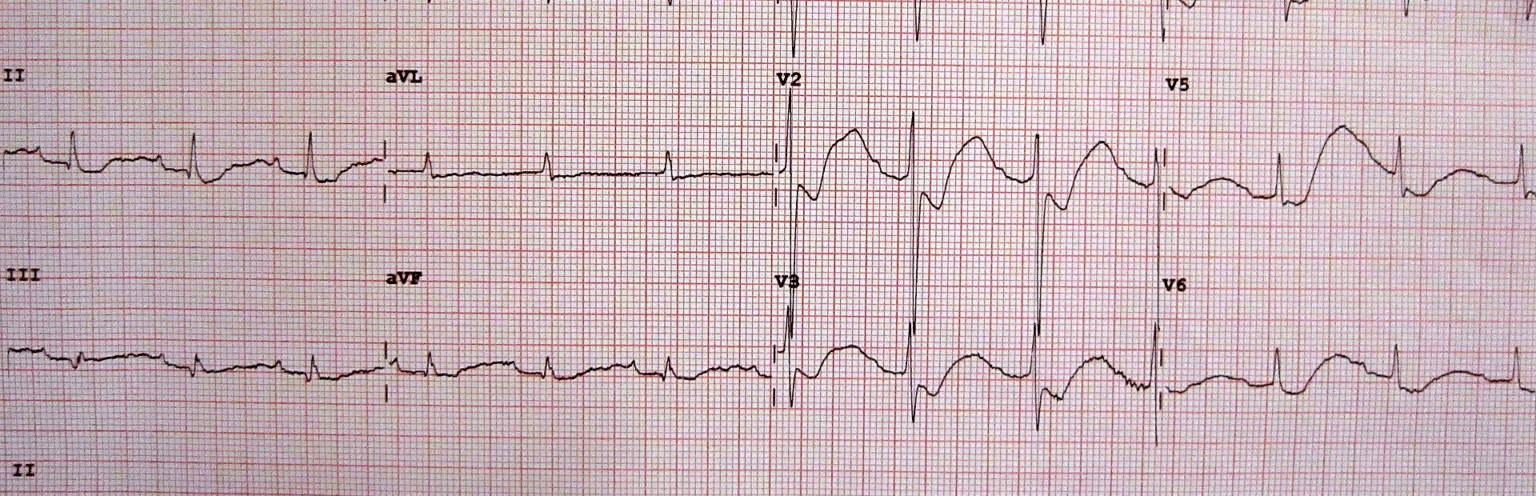
ECG Interpretation in Myocardial Ischemia Approach to ECG Interpretation Step 1: Rate – The normal range of heart rate is between 60 and 100 beats per minute.Bradycardia is present if the rate is less than 60 beats per minute andtachycardia is present if the rate is greater than 100 beats per minute. Step 2: Rhythm – Locate the P waves. […]
Hypokalemia and Hyperkalemia Disruption of potassium homeostasis causes hypokalemia or hyperkalemia, which can have devastating and long-lasting effects on patients. Learn how to identify and treat hypokalemia and hyperkalemia.