BLS Pediatric Cardiac Arrest Algorithm – Multi Rescuer Verify scene safety. If you encounter a potential cardiac arrest victim, first make sure the scene is safe for both the rescuers and the victim. Check responsiveness. Get help. Check for responsiveness. First tap the victim and shout “HEY! HEY! Are you OK?” If they do not respond, get help. The first rescuer should remain […]
BLS Adult Cardiac Arrest Algorithm The BLS Healthcare Provider Adult Cardiac Arrest Algorithm shows the steps single rescuers and multiple rescuers should take in the treatment of an unresponsive adult.
PALS Secondary Assessment – SAMPLE In this video, we review the PALS secondary assessment, which means we’ve already done our pediatric assessment triangle.
End Tidal Capnography Review Want to know more about end-tidal capnography—how we use it in ACLS and especially during a cardiac arrest? Watch our video to find out!
Fibrinolytic Therapy Contraindications Fibrinolytic therapy can be a lifesaving treatment for stroke. However, in some cases, the risks outweigh the benefits and the therapy is contraindicated. Learn more about the several contraindications for fibrinolytic therapy.
Rhythm-Based Management Cardiac arrest rhythms frequently change during the course of resuscitation, and management should be modified to the appropriate rhythm-based strategy. Learn more about managing cardiac arrest according to rhythm.
Managing Respiratory Arrest Knowing and understanding the signs and symptoms of respiratory distress, failure, and arrest is crucial. Respiratory arrest is usually the endpoint of respiratory distress that leads to respiratory failure. Respiratory distress and failure have multiple causes, all of which, if left untreated, can deteriorate into respiratory arrest. The best treatment is knowing and understanding the signs and symptoms of respiratory distress and respiratory failure so interventions can be initiated and respiratory arrest averted altogether.
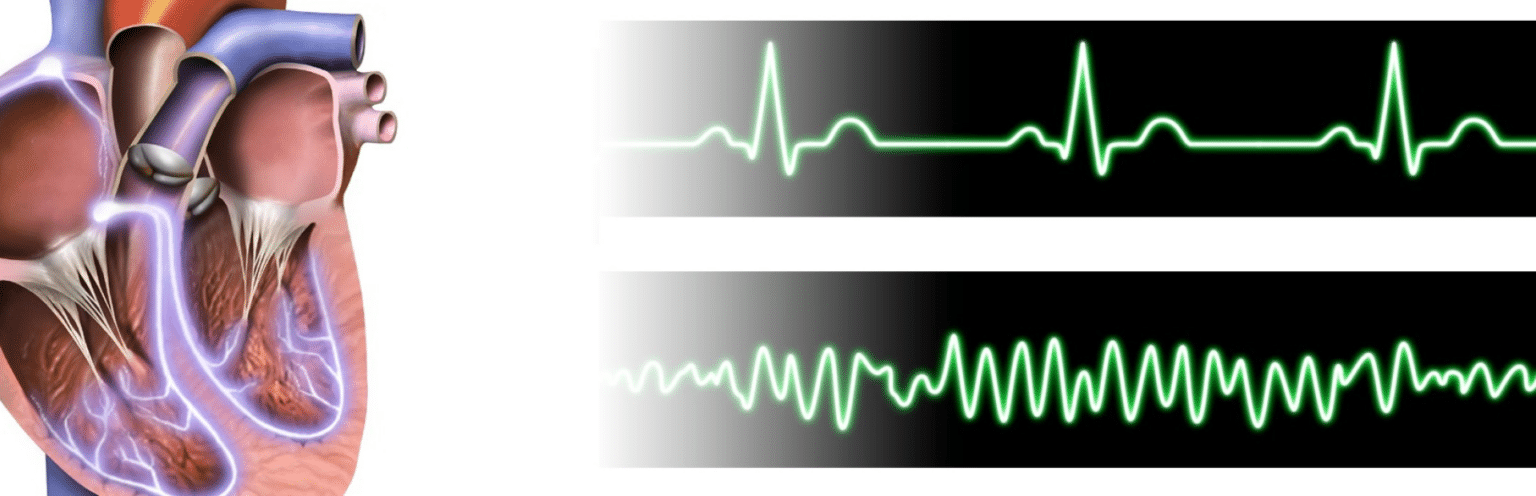
Ventricular Fibrillation Treatment and Causes Ventricular fibrillation (VF) is the most common initial heart rhythm in patients with out-of-hospital cardiac arrest (OHCA), and the most salvageable one.
Pulseless Electrical Activity (PEA) Causes and Treatment All pulseless rhythms that fall outside the category of pulseless ventricular tachycardia, ventricular fibrillation, or asystole are considered PEA. Learn more!